
Play Therapy for Children: How Pediatric Therapists Help Kids Express Emotions
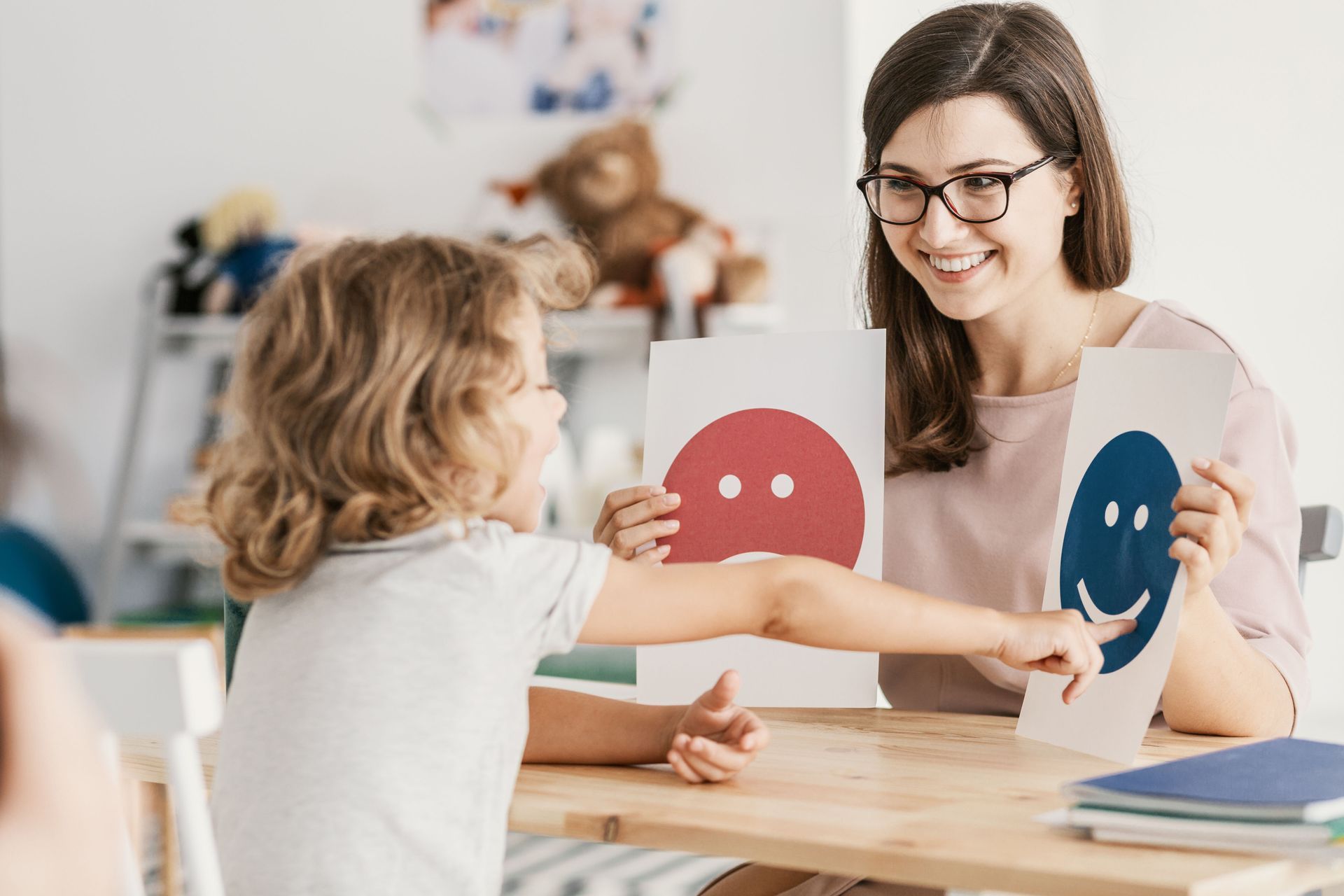
Play therapy is a compelling therapeutic approach utilized in pediatric mental health care to help children express and process emotions they might not be able to articulate through words. This technique capitalizes on a child's natural inclination to play, making it an ideal medium for therapy since play is a fundamental part of children's development and communication. According to School Pulse Panel, while 97% of U.S. public schools provide some type of mental health services to students, only one-in-five students use such services. Interventions such as play therapy have become crucial in bridging the gap in accessible and relatable mental health support for children.
The Foundations of Play Therapy
Historical Background of Play Therapy
The origins of play therapy can be traced back to the early 20th century, with pioneers such as Sigmund Freud and Melanie Klein who recognized the therapeutic potential of play. Over time, the discipline evolved, with theorists like Virginia Axline and Carl Rogers laying down structured methodologies for using play as a therapeutic tool. Play therapy gained prominence as an effective means to understand and address the psychological needs of children. It provided a safe and engaging environment for children, allowing for natural expression and self-discovery. As a recognized discipline in child psychology, play therapy continues to evolve and adapt to meet contemporary therapeutic needs.
Key Principles and Goals
The principles guiding play therapy emphasize the use of play as a natural medium through which children communicate emotions and conflicts. By creating a non-threatening environment, pediatric therapists aim to help children express emotions, reduce anxiety, and improve their overall mental health. Central goals include fostering emotional resilience, enhancing communication skills, and promoting problem-solving abilities. Children often achieve these goals through repetitive play and experiential learning, allowing for gradual behavioral transformation. As these objectives are met, children often display significant improvements in their emotional and social functioning.
The Role of the Play Therapist
The play therapist plays a crucial role in facilitating the healing process, requiring a myriad of skills, including empathy, patience, and keen observation. An effective therapist is adept at interpreting symbolic play actions and verbalizations, providing insights into the child's inner world. They guide sessions with sensitivity to pace and timing, fostering a supportive atmosphere where trust can flourish. Through continuous assessment and adaptation, pediatric therapists help children traverse their emotional landscapes while providing a comforting presence. The therapeutic relationship between child and therapist is instrumental in achieving meaningful and lasting change.
Therapeutic Environment and Tools
The therapeutic environment is paramount to the efficacy of play therapy, as it must be safe, comfortable, and stimulating to encourage open expression. This involves choosing age-appropriate toys and materials that cater to various ways children might express themselves. Common tools include dolls, puppets, art supplies, sand trays, and action figures, each offering different modes for role-playing and storytelling. The setting should allow for non-verbal communication, vital for children who express more effectively through action than words. These thoughtfully curated spaces embody the therapeutic ethos that play is a child's work.
Types of Play Therapy Techniques
Directive Play Therapy Techniques
Directive play therapy involves a structured approach where the therapist provides specific guidance during play to achieve particular therapeutic goals. This methodology is critical when a child faces pronounced emotional or behavioral challenges that require focused intervention. Techniques in directive play therapy might include specific games, role-play scenarios, or guided storytelling that address issues such as anxiety or social skills deficits. By directing the play, pediatric therapists can introduce themes and activities that promote positive behavioral and emotional changes. Despite its structured nature, it remains flexible to accommodate the child's responses and emotional needs.
Nondirective Play Therapy Techniques
In contrast, nondirective play therapy allows the child to lead the session, providing them the freedom to explore and express emotions without prompts or interventions. It operates under the premise that, given a nurturing environment, children will naturally gravitate towards behaviors that promote healing. Pediatric therapists practicing nondirective techniques facilitate an environment of acceptance and safety, encouraging children to explore their emotions and internal conflicts spontaneously. This approach fosters autonomy and self-discovery, as children build confidence in their ability to solve problems and express feelings. It emphasizes respect for the child's innate ability to direct their own healing journey.
Creative Arts in Play Therapy
Incorporating creative arts into play therapy can significantly enhance a child's ability to express complex feelings and experiences. Art, music, and drama allow children to engage their imaginations, providing alternative channels for communication and emotional release. Through drawing or painting, children can externalize and process feelings that may be overwhelming when verbalizing. Music and drama encourage freedom of expression and can be particularly beneficial for children who find traditional talk therapy intimidating. These expressive arts foster a deeper connection between therapist and child, as the creative process often leads to insights into the child's emotional well-being.
Storytelling and Role Play
Storytelling and role play are integral play therapy techniques, offering powerful means for children to process emotions and experiences. Through storytelling, children can project their feelings and conflicts onto characters, creating narratives that help them make sense of their realities. Role play allows children to act out scenarios related to personal experiences, providing a safe distance to analyze and understand emotions and reactions. This technique is especially beneficial for children hesitant to confront their issues directly, offering a creative detour to explore their feelings. Both storytelling and role play can significantly improve a child's ability to communicate and empathize.
Benefits of Play Therapy for Children
Emotional Expression and Processing
One of the most significant benefits of play therapy is its ability to facilitate emotional expression and processing in children. By engaging in play, children are provided a safe and nurturing environment to express emotions that might be difficult to articulate. This expression is crucial for children who have experienced trauma or emotional challenges, as it allows for the externalization of internal struggles. As emotions are expressed through play, children can begin to process and understand them, leading to emotional relief and insight. This emotional processing is foundational for developing healthier coping mechanisms and enhancing overall well-being.
Development of Social Skills
Engaging in play therapy also significantly contributes to the development of social skills in children. The interactive nature of play necessitates communication and cooperation, laying the groundwork for crucial interpersonal skills. Through structured play activities, children learn to negotiate, share, and develop empathy, which are essential components of successful social interactions. The therapist can design activities that specifically target social skill enhancement, prompting children to practice these skills in a supportive environment. As their confidence and interaction abilities grow, these enhanced social skills often translate to improved relationships outside the therapy setting.
Cognitive and Behavioral Improvements
Play therapy not only aids in emotional expression but also facilitates cognitive and behavioral improvements. Through engaging in play activities, children enhance their problem-solving abilities by navigating complex scenarios during play. Cognitive changes often accompany behavioral improvements; as children learn to cope with emotions through play, they also adopt healthier behavioral responses. Structured play can help children understand causation, consequence, and decision-making, promoting adaptive behaviors. As children demonstrate these cognitive and behavioral gains, there is often an observable, positive change in their daily interactions and routines.
Parent-Child Relationship Enhancement
Play therapy can significantly enhance the parent-child relationship, strengthening bonds and improving communication. Pediatric therapists often involve parents in the therapeutic process, offering insights into the child's play and emotional expressions. This involvement provides parents with the tools and understanding necessary to support their child outside of therapy sessions. Joint play sessions can promote positive interactions, reinforcing the parental bond and fostering trust. Improved communication and attachment between parent and child can have lasting impacts on the family dynamic, contributing to a harmonious and supportive home environment.
By recognizing that play is a child’s primary language, this therapeutic approach removes the pressure of verbal articulation, allowing healing to occur through natural, age-appropriate engagement. Ultimately, play therapy honors the innate wisdom of childhood, proving that sometimes the most profound psychological work doesn't look like "work" at all—it looks like play. By investing in these specialized interventions, we provide children with the essential tools to navigate their emotional landscapes, ensuring they grow into healthy, communicative, and well-adjusted adults. To learn more about play therapy, pediatric therapists, and other ways of bettering your child's mental development, reach out to Best Life E-Therapy LLC today.



Share On: